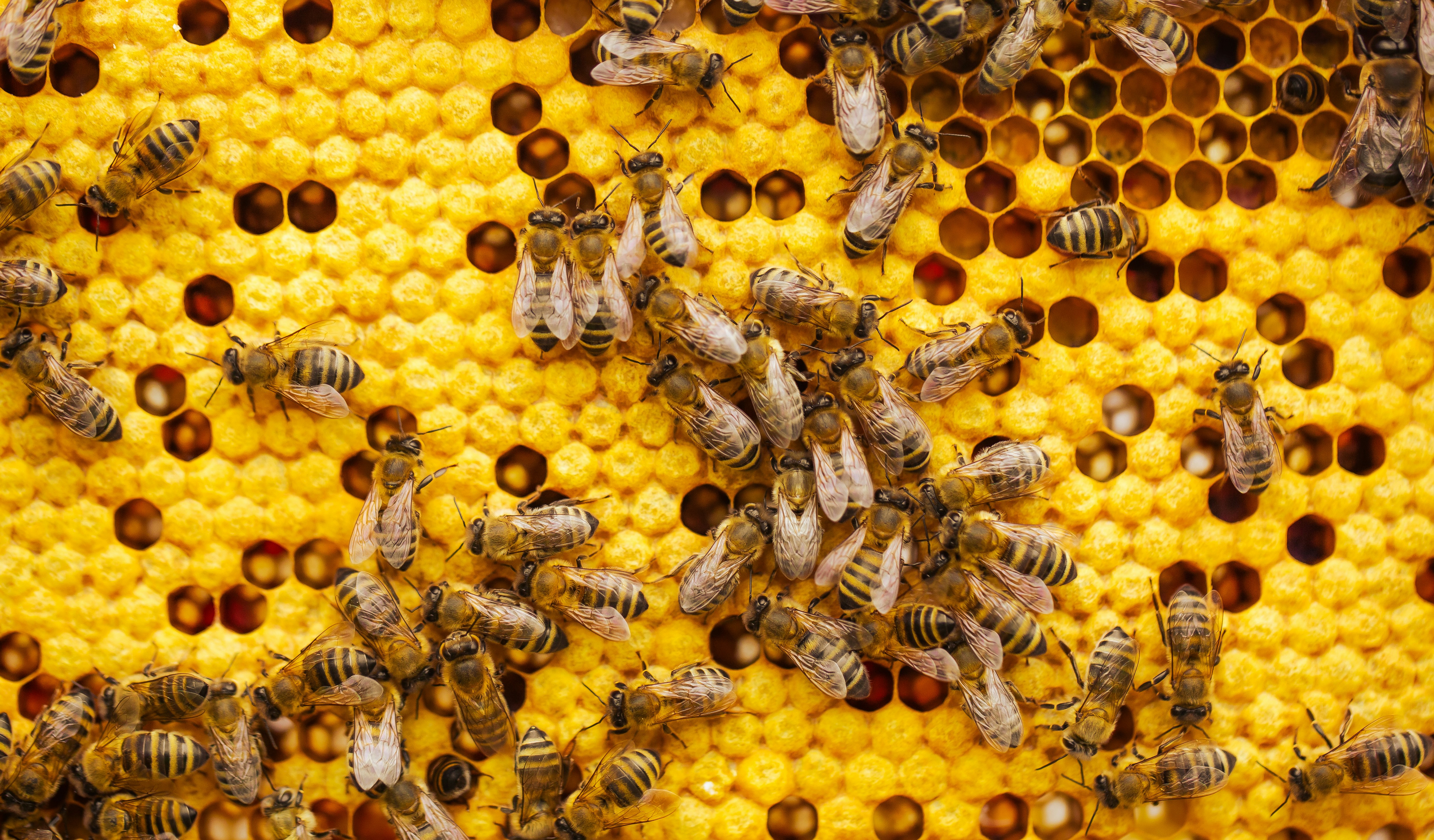
South Sudan has the natural environment to produce world-class organic honey. Discover how severe supply chain bottlenecks, lack of packaging, and outdated harvesting methods hold the industry back.
Unlocking South Sudan’s Liquid Gold: A Deep Dive into the Apiculture Supply Chain and Its Critical Challenges
South Sudan sits on a wealth of natural resources, and among its most promising is its apiculture (beekeeping) sector. Blessed with expansive equatorial rainforests, rich savanna woodlands, and diverse floral ecosystems, the country produces high-quality, organic wildflower honey.
Regions like Western Equatoria (Yambio, Mvolo), Lakes State (Wulu County), and Central Equatoria have established themselves as vital honey production hubs, while states like Eastern Equatoria and the Bahr el Ghazal region hold massive, untapped potential.
However, transforming this raw natural bounty into a competitive commercial product is an operational battle. For private enterprises like Hagana Agro-Processing, Golden Honey, and local cooperatives, the true bottleneck lies within a fragile supply chain and marketing infrastructure.
To understand why this premium product struggles to scale, we must look at the unique, severe challenges faced across the core elements of the South Sudanese honey business ecosystem.
1. Planning and Demand Forecasting
- The Challenge: Complete lack of data and predictability.
- The Reality: Commercial processors in Juba cannot accurately plan their yearly output or predict market demand. Beekeeping in South Sudan is heavily dependent on unpredictable weather patterns, climate disruptions, and seasonal wildfires. Furthermore, because smallholders practice subsistence beekeeping—selling honey only when they need immediate cash for family emergencies—processors cannot secure predictable, long-term supply contracts.
2. Sourcing (Raw Materials & Packaging)
- The Challenge: Extreme dependency on imports and raw material vulnerability.
- The Reality: While raw honey is sourced locally, every other critical packaging asset must be imported. South Sudan lacks factories that manufacture food-grade glass jars, plastic bottles, or tamper-proof caps. Importers must source packaging from Kenya, Uganda, or China. Due to heavy import duties, high shipping fees, and currency fluctuation, an empty glass jar often costs more than the premium honey inside it.
3. Production, Methods, and Workforce Skills
- The Challenge: Prevalent reliance on destructive harvesting traditions and lack of technical skills.
- The Reality: While generations of South Sudanese communities have harvested wild honey, there is a severe shortage of modern apiculture technical skills. A vast majority of rural smallholders still use traditional bark or grass hives and harvest honey using open fire at night. This practice routinely kills entire bee colonies, burns the surrounding forest, destroys the natural beeswax, and taints the honey with a heavy smoke aroma that drastically lowers its grade.
- Furthermore, without formal training in sanitary food handling, many harvesters extract combs using bare hands and unwashed buckets. This introduces high moisture, ash, and dirt contamination right at the point of origin, rendering the harvest unmarketable for premium buyers before it ever leaves the forest.
4. Logistics and Transportation
- The Challenge: Seasonal isolation and extortionate transit costs.
- The Reality: Moving honey from remote forests to urban markets is a logistical nightmare. During the rainy season (May to October), unpaved roads turn into impassable mud tracks, completely isolating key hubs like Western Equatoria for months. When trucks do move, they must navigate numerous informal checkpoints managed by local authorities or armed groups. At each stop, drivers face arbitrary transit fees and cash demands, which directly inflate the final retail price of the honey.
5. Warehousing and Inventory Management
- The Challenge: Poor rural storage and climate-driven spoilage.
- The Reality: Honey is durable, but raw, unrefined honey with high moisture content will ferment if left sitting in humid, poorly ventilated rural storage huts. South Sudan lacks widespread, climate-controlled warehousing near harvesting zones. Without proper moisture-testing tools and standardized storage drums at the village level, large portions of the harvest spoil or degrade before ever reaching a centralized processing plant.
6. Distribution Channels
- The Challenge: Fragmented markets and informal competition.
- The Reality: Getting the finished product to the consumer is highly fragmented. Formal distribution is limited to a few premium supermarkets in Juba. Beyond that, the market is dominated by informal traders selling cheap, unbranded, and unlabeled honey in reused plastic water bottles. This informal distribution undercuts legitimate businesses trying to cover the high costs of proper processing, testing, and distribution.
7. Marketing, Labeling, and Customer Service
- The Challenge: Regulatory exclusion from global markets and a lack of local trust.
- The Reality: Presentation is the ultimate economic bottleneck for South Sudan’s honey industry. Premium international export markets—including neighboring East African economic blocs, the European Union, and North America—enforce non-negotiable traceability, sanitary certification, and packaging standards. Local companies cannot legally access these high-paying markets because they lack access to recognized laboratory testing, nutrition analysis panels, barcoding, and certified organic labeling.
- The Impact on Price Value: Locally, the market is flooded with cheap, unbranded honey sold by roadside vendors in unhygienic, reused plastic water and soda bottles. Because these items lack any labeling, consumers are naturally suspicious of product adulteration (such as honey cut with sugar syrup or water). For professional enterprises like Hagana or Golden Honey, investing in premium, tamper-evident glass jars with professional, informative labels is not just an aesthetic choice—it is a financial necessity. A well-designed label transforms the product from a cheap, suspicious commodity into a trusted, premium wellness brand. This visual anchor justifies a higher retail price tag in Juba supermarkets, helps combat informal undercutting, and establishes the brand identity required to negotiate future international fair-trade contracts.
8. Reverse Logistics (Returns Management)
- The Challenge: Fractured return loops and wasted inventory.
- The Reality: In a standard supply chain, defective, leaked, or spoiled products are returned to the factory for recycling or replacement. In South Sudan, because of the massive distances and astronomical transport costs between Juba retail centers and rural harvesters, reverse logistics is practically non-existent. If a batch of honey leaks or spoils during transit due to poor packaging, the loss is entirely absorbed by the processor or the retailer, wiping out thin profit margins.
9. Information Flow and Communication
- The Challenge: The digital divide and disconnected networks.
- The Reality: A modern supply chain relies on real-time data—using mobile networks and internet tracking to sync supply with demand. In remote South Sudanese apiaries, network coverage is weak or completely absent. Beekeepers cannot check current market prices in Juba, leaving them vulnerable to exploitation by predatory middlemen. Simultaneously, processors remain blind to how much honey is sitting in rural villages until it physically arrives, creating massive operational inefficiencies.
Conclusion: Turning Challenges into Opportunity
South Sudan’s honey industry stands at a critical crossroads. The natural environment is perfect for world-class, organic production, but the supply chain is fragile at every link.
To transform this sector from a survivalist, rural activity into a major economic driver, targeted investments are urgently needed. Scaling the industry requires building localized solar-powered processing hubs, training farmers in modern apiary management, and establishing reliable packaging pipelines. Only by fixing the supply chain can South Sudan truly monetize its "liquid gold."