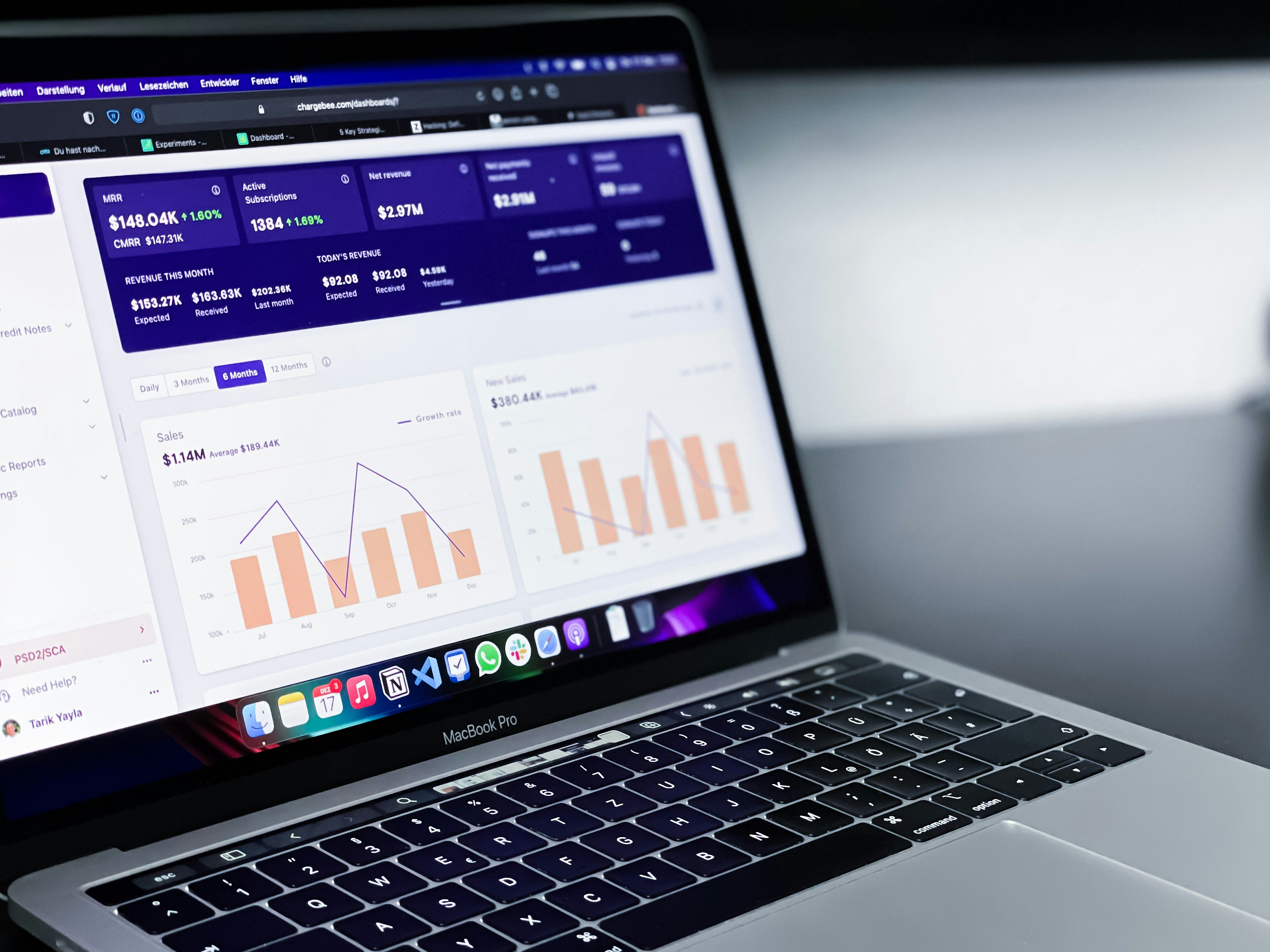
Discover why market intelligence is essential for businesses and investors operating in emerging and frontier markets, and how research and analytics support informed decision-making and sustainable growth.
The Importance of Market Intelligence in Emerging Markets
As businesses and investors increasingly look toward emerging and frontier markets for growth opportunities, access to reliable information has become more important than ever. Markets across Africa, the Middle East, and Asia continue to present significant opportunities in infrastructure, energy, agriculture, telecommunications, financial services, and technology.
However, investing and operating in emerging markets often involve higher levels of uncertainty compared to mature economies. Information can be fragmented, market conditions may evolve rapidly, and regulatory environments can change over time.
In such environments, market intelligence becomes a critical tool for informed decision-making and sustainable growth.
Organizations that invest in research, intelligence, and analytics are often better positioned to identify opportunities, manage risks, and develop effective strategies.
What is Market Intelligence?
Market intelligence refers to the process of collecting, analyzing, and interpreting information related to markets, industries, competitors, regulations, and economic conditions.
It helps organizations answer important strategic questions such as:
-
Which sectors present the greatest opportunities?
-
How attractive is a particular market?
-
Who are the key market participants?
-
What are the potential risks?
-
How is the competitive landscape evolving?
-
What regulatory developments may affect operations?
Market intelligence transforms data into actionable insights that support strategic planning and decision-making.
Why Market Intelligence Matters in Emerging Markets
Emerging markets often present significant information gaps.
Businesses and investors may face challenges such as:
-
Limited publicly available data
-
Inconsistent information sources
-
Rapidly changing market conditions
-
Evolving regulations and policies
-
Limited understanding of local stakeholder environments
These challenges can increase uncertainty and complicate decision-making.
Reliable market intelligence helps organizations reduce uncertainty and make more informed strategic choices.
Supporting Better Decision-Making
Effective decision-making depends on access to accurate and timely information.
Market intelligence enables organizations to:
-
Evaluate market attractiveness
-
Assess sector opportunities
-
Understand competitive dynamics
-
Prioritize investments and resources
-
Develop evidence-based strategies
Organizations that rely on assumptions rather than reliable intelligence may expose themselves to unnecessary risks.
Identifying New Opportunities
One of the primary benefits of market intelligence is the ability to identify emerging opportunities.
Through research and analysis, organizations can better understand:
-
High-growth sectors
-
Emerging market trends
-
Infrastructure needs
-
Consumer demand patterns
-
Investment opportunities
-
Potential strategic partnerships
Early identification of opportunities can provide significant competitive advantages.
Improving Risk Management
Every investment and business decision involves some level of risk.
Market intelligence supports risk management by helping organizations assess:
-
Regulatory risks
-
Political and economic developments
-
Competitive risks
-
Operational challenges
-
Stakeholder considerations
-
Sector-specific dynamics
A better understanding of risks enables organizations to develop more effective mitigation strategies.
Supporting Market Entry Strategies
Organizations entering new markets require reliable information to determine:
-
Whether a market is attractive
-
Which sectors should be prioritized
-
What entry models are appropriate
-
Which partners should be considered
-
What regulatory requirements apply
Market intelligence plays an essential role in developing successful market entry strategies.
Without adequate information, organizations may face costly implementation challenges.
Understanding Stakeholder Landscapes
In many emerging markets, stakeholder relationships significantly influence business outcomes.
Organizations often need to understand:
-
Government institutions
-
Regulatory authorities
-
Industry associations
-
Development partners
-
Local communities
-
Strategic business partners
Stakeholder mapping and analysis help organizations develop effective engagement strategies and build stronger relationships.
Enhancing Competitive Advantage
Organizations that invest in market intelligence often gain important advantages, including:
-
Better strategic positioning
-
Faster identification of opportunities
-
Improved resource allocation
-
Stronger investment decisions
-
More effective risk management
-
Enhanced organizational agility
In highly competitive and rapidly evolving markets, access to reliable intelligence can become a significant differentiator.
Market Intelligence and Frontier Markets
The importance of market intelligence is particularly evident in frontier markets such as South Sudan.
These markets frequently present:
-
Significant information asymmetry
-
Evolving regulatory environments
-
Emerging industries and opportunities
-
Limited public data availability
-
Complex stakeholder landscapes
Organizations operating in frontier markets often require specialized research and advisory support to navigate these complexities effectively.
How Businesses Use Market Intelligence
Organizations use market intelligence in various ways, including:
Investment Decision-Making
Assessing investment opportunities and evaluating market attractiveness.
Business Expansion Planning
Identifying growth opportunities and supporting expansion initiatives.
Market Entry Strategy Development
Determining the most appropriate approaches for entering new markets.
Sector and Industry Assessments
Understanding industry trends, opportunities, and risks.
Policy and Regulatory Monitoring
Tracking developments that may affect business operations.
Strategic Planning and Forecasting
Supporting long-term decision-making and organizational strategy.
The Growing Importance of Data-Driven Decision-Making
As markets become increasingly interconnected and competitive, organizations are placing greater emphasis on evidence-based decision-making.
Data and analytics are becoming essential components of:
-
Corporate strategy
-
Investment planning
-
Business development
-
Risk management
-
Performance improvement
Organizations that incorporate research and intelligence into decision-making processes are often better positioned to respond to changing market conditions.
How Omnisage Supports Organizations Through Research, Intelligence & Analytics
Omnisage Consultancy Group supports investors, businesses, development partners, and institutions through specialized research and intelligence services.
Our capabilities include:
Market and Sector Assessments
Providing insights into market conditions and sector opportunities.
Economic and Policy Analysis
Supporting strategic planning through evidence-based analysis.
Market Intelligence and Business Research
Helping organizations better understand emerging opportunities and risks.
Stakeholder Mapping and Analysis
Supporting effective engagement strategies.
Strategic and Commercial Due Diligence
Providing insights to support investment decisions.
Data Analytics and Strategic Insights
Transforming information into actionable recommendations.
Our multidisciplinary team combines local expertise with regional perspectives to deliver practical and evidence-based intelligence solutions.
Conclusion
In emerging and frontier markets, access to reliable information can significantly influence business and investment outcomes.
Market intelligence enables organizations to reduce uncertainty, identify opportunities, manage risks, and develop effective strategies.
As investor interest in emerging markets continues to grow, the importance of research, intelligence, and analytics will continue to increase.
Organizations that invest in evidence-based decision-making and strategic intelligence are often better positioned to achieve sustainable growth and long-term success.
Looking for Market Intelligence and Strategic Insights?
Omnisage Consultancy Group supports organizations through market research, intelligence, analytics, economic assessments, and strategic advisory services across South Sudan and East Africa.
Speak with our advisors to explore how research and intelligence can support your investment, business, and growth objectives.